
Stock problems have a habit of hiding until the worst possible moment. Everything seems under control, and then, out of nowhere, a bestselling product is gone, a delivery wasn’t logged, and three people are blaming each other over a purchase order that nobody raised. Dubai businesses deal with this more than they should.
Odoo Inventory has become the practical fix that actually sticks.
Why Dubai’s Market Needs More Than Basic Stock Control
This city moves at a pace most markets simply don’t. High order volumes. Seasonal spikes that hit fast and hard. Shipments are crossing borders constantly. And buyers who have zero patience for delays or stock shortages.
Old-school spreadsheets? They crack under that kind of pressure. Manual tracking works fine when you’re small, quiet, and not growing. Dubai businesses are rarely any of those things.
Warehouse management needs to keep up, or everything downstream starts falling apart. Sales slip. Customers leave. Staff spend half their day firefighting instead of actually working.
Odoo Inventory handles the complexity without adding more of it.
The Real Benefits, the Ones You Notice on a Tuesday Morning
1. Live Stock Visibility Across Every Single Location
Not just a headline feature. This one genuinely changes how teams operate day to day.
Every product movement, every transfer, every adjustment gets recorded the moment it happens. Doesn’t matter if the stock is in a Jebel Ali facility, a Dubai Marina showroom, or split across four other locations. The system sees all of it, together, in one view.
What this actually solves:
• Manual stock counts that burn through hours and still come out wrong
• Surprise shortages on items that “should have been fine”
• Items stuck in transit, with no one quite sure where they are
Real-time stock visibility is the kind of thing teams only appreciate fully once they’ve had it for a week. Going back feels impossible.
2. Automated Reordering That Nobody Has to Babysit
Here’s a feature that sounds simple but carries serious weight.
Set a minimum stock level. The system watches it. When inventory hits that threshold, Odoo creates a purchase order automatically. No reminder. No manual check. No panicked call to a supplier on a Friday evening.
For fast-moving consumer goods businesses, retail operations, or anyone juggling dozens of SKUs, this is the kind of automation that quietly prevents dozens of problems every single month. It just runs.
3. Everything Connects, Not Just Inventory
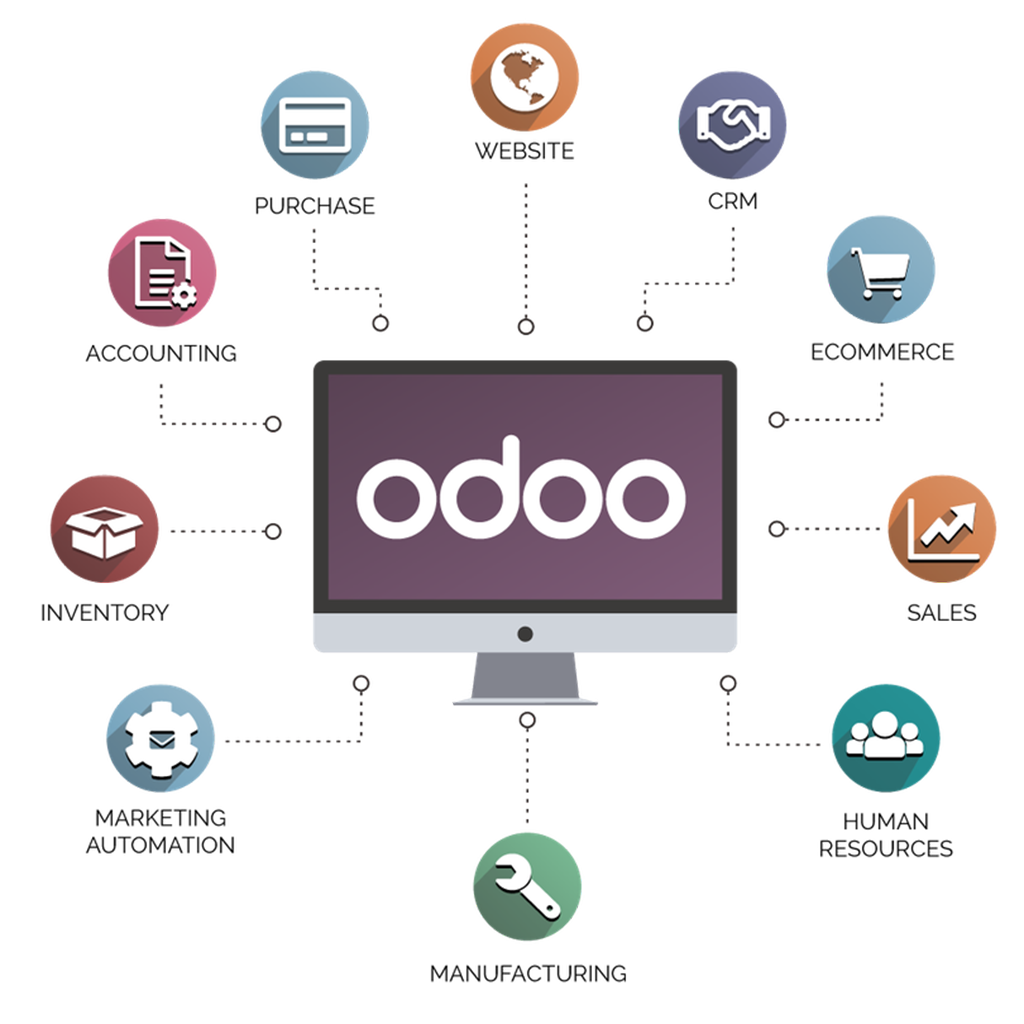
This is where Odoo ERP genuinely stands apart from point solutions. Inventory isn’t a separate island. It’s wired into the rest of the business:
• Odoo CRM feeds demand signals into stock planning
• Odoo Accounting tracks costs as they move in real time
• Odoo Sales syncs fulfilment the moment an order is confirmed
No more copying data between platforms. No more discovering that the finance team is working from numbers that are three days old. Everything talks to everything, properly.
Elitbuzz, as a hands-on Odoo implementation partner in Dubai, configures these integrations correctly from the start. Not pieced together later, but built right the first time.
4. Traceability That Holds Up Under Scrutiny
Pharmaceuticals. Electronics. Food and beverage. These industries cannot afford vague answers about where a product came from or where it went.
Lot and serial number tracking inside Odoo gives a complete trail. Supplier to warehouse. Warehouse to customer. Every step logged, every batch accounted for.
This matters for:
• Recall situations where the speed of response is critical
• Internal quality checks before products leave the facility
• UAE regulatory compliance, which is strict and getting stricter
5. Operational Costs That Actually Drop
Dead stock sitting in a warehouse is money tied up doing nothing. Emergency procurement costs more than planned purchasing. Manual errors create corrections that take time and cost more time.
Odoo Inventory works against all of these steadily. Most businesses see genuine cost reductions within the first quarter. Not projected savings on a slide deck. Actual improvement in the numbers.
6. Mobile Tools That Work on the Warehouse Floor
Nobody on a warehouse floor is sitting at a desk. Workers are moving, lifting, scanning and verifying. Odoo’s mobile warehouse management tools go where the work happens.
Barcode scanning, delivery confirmation, stock updates, all from a phone or tablet. Paper logs go away. Errors from re-entering data go away. The whole operation tightens up without adding friction.
Build the Right Foundation for Stock Management
Odoo Inventory is not the kind of solution you implement and forget. It grows with the business. Better data drives sharper decisions. Sharper decisions cut waste. Less waste means healthier margins, quarter after quarter.
For Dubai businesses that are serious about efficient stock management, this is a genuinely strong investment. And with a capable implementation partner handling the setup, the transition is far less painful than most expect.
Frequently Asked Questions
Q1. Is Odoo Inventory suitable for small businesses in Dubai?
Yes, it scales from small operations to large enterprises without needing a different system.
Q2. Can Odoo handle multiple warehouses at the same time?
Yes, multi-warehouse and multi-location tracking is built into the core platform.
Q3. Does Odoo Inventory work with accounting software?
It connects natively with Odoo Accounting for live, accurate financial tracking.
Q4. How long does an Odoo implementation typically take?
Most businesses are up and running within two to eight weeks, depending on complexity.
Q5. Does Elitbuzz offer support after the system goes live?
Yes, ongoing technical support and training are included with every deployment.